
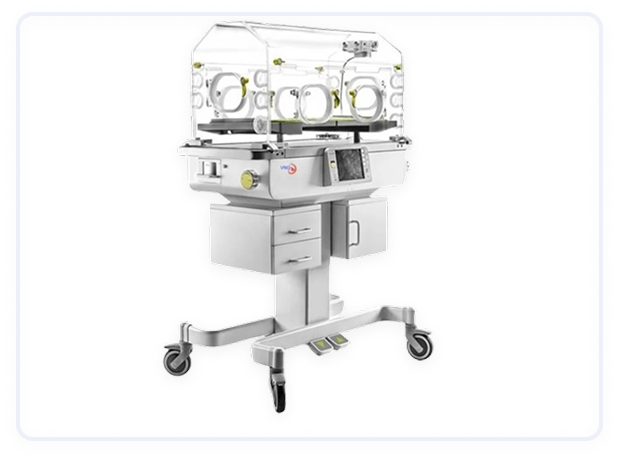
Infant incubators
Infant Incubators for NICU (Neonatal Intensive Care Unit) are crucial pieces of equipment designed to provide a controlled environment for newborns, particularly preterm infants or those with medical complications. These incubators are designed to offer warmth, protection, and constant monitoring to ensure the survival and development of fragile infants in the first few weeks or months of life.
Key Features of Infant Incubators
Thermal Regulation (Temperature Control):
Premature babies and sick infants have limited ability to regulate their body temperature, making them vulnerable to hypothermia. Incubators provide a stable, warm environment to ensure the baby’s body temperature is kept within a safe range. This is usually achieved through radiant heat or heated air within the incubator.
Modern incubators often come with advanced temperature sensors that adjust heat levels based on the baby’s needs, ensuring a consistent temperature.
Humidity Control:
Premature infants also have sensitive skin and respiratory systems, which are more prone to dehydration. To prevent drying out of the skin and mucous membranes, humidity is carefully controlled in the incubator. This is especially important for preterm infants whose skin is more fragile.
Humidity levels can be adjusted to prevent fluid loss and support the baby's respiratory health.
Oxygen and Respiratory Support:
Some NICU incubators are equipped with systems to provide oxygen therapy or respiratory support (e.g., CPAP or mechanical ventilation) for infants who have difficulty breathing.
The incubator may also have a separate oxygen supply that can be adjusted based on the infant’s specific needs.
Monitoring Systems:
NICU incubators are integrated with advanced monitoring systems that track vital signs such as heart rate, respiratory rate, oxygen saturation, and temperature.
Alarms and visual indicators notify healthcare providers if there are any deviations from safe levels, ensuring immediate intervention if necessary.
Protection from Infection:
Preterm infants are more susceptible to infections due to their immature immune systems. Incubators provide a sterile and enclosed environment that helps protect the infant from external contaminants.
The sealed incubator can also reduce the chances of infection by minimizing exposure to bacteria and viruses in the surrounding environment.
Access and Ease of Care:
Many incubators have portholes, foldable sides, or slide-out trays that allow healthcare providers to access the infant without compromising the controlled environment.
These features allow for procedures like blood draws, IV insertion, monitoring, and comforting the infant, all while minimizing disruption to the baby’s environment.
Adjustable Components:
Some incubators are designed with adjustable height, angle, and bed positioning to accommodate the baby’s changing needs. These adjustments ensure optimal comfort and allow for better access for caregivers.
Various industries
Request More Information
Contact Us to learn more about our offerings or Request a Quote to get started today!
Contact Us

