
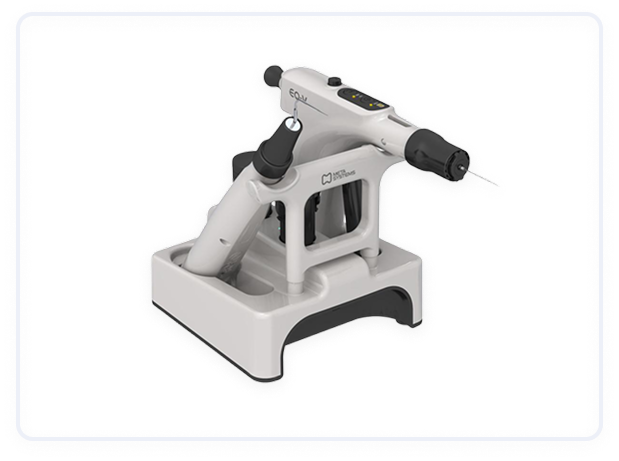
Obturation System
Obturation System is a key tool in endodontics (root canal treatment) that is used to fill the root canal after it has been cleaned, shaped, and disinfected. The purpose of the obturation process is to seal the root canal space and prevent bacterial reinfection. An obturation system ensures that the canal is effectively sealed and that the filling material, typically gutta-percha, is placed properly to fill the entire canal, including any complex or irregular spaces. Obturation systems can be mechanical or manual, with various techniques and materials used to achieve a precise and secure seal in the root canal. Modern obturation systems often use heat, pressure, or electric devices to improve the quality and ease of filling the root canal.
Key Features of an Obturation System
Efficient Root Canal Filling:
The primary function of an obturation system is to ensure that the root canal is filled and sealed effectively after cleaning and shaping. This sealing prevents the re-entry of bacteria, minimizes the chances of infection, and ensures that the canal remains stable over time.
Different Filling Techniques:
Thermoplasticized Gutta-Percha: Modern obturation systems often use heated gutta-percha that can be injected or placed into the canal using specialized devices. The material becomes soft and moldable when heated, allowing it to fill the canal more completely and adapt to the canal's shape.
Automated or Motorized Systems:
Many modern obturation systems are motorized, with devices designed to apply the right amount of pressure, heat, and material flow into the root canal. These systems often involve motorized pluggers or extruders to inject or compress the filling material into the root canal for a better seal.
Consistency and Accuracy:
Obturation systems aim to provide accurate placement of filling material, reducing the chance of voids, gaps, or overfilling, which can lead to treatment failure or complications.
Heat Source for Material Adaptation:
Some obturation systems include a heat source to soften gutta-percha or other thermoplastic materials, making it easier to adapt the material to irregular canal shapes. Heat helps the material flow more evenly and fills all spaces within the canal.
User-Friendly Interface and Controls:
Modern obturation systems often feature digital displays with intuitive controls that allow clinicians to adjust the temperature, speed, and pressure of the system. This makes the process easier, faster, and more reliable, ensuring that the obturation is done with precision.
Sealers and Materials:
An obturation system often works in conjunction with endodontic sealers, which help ensure that the material used for filling adheres properly to the canal walls. These sealers also prevent leakage or contamination within the canal.
Minimal Postoperative Discomfort:
A properly performed obturation using an effective system helps minimize post-treatment discomfort for the patient. A good seal reduces the likelihood of infections and ensures better long-term outcomes, which can prevent issues like pain, swelling, or the need for retreatment.
Various industries
Request More Information
Contact Us to learn more about our offerings or Request a Quote to get started today!
Contact Us

