
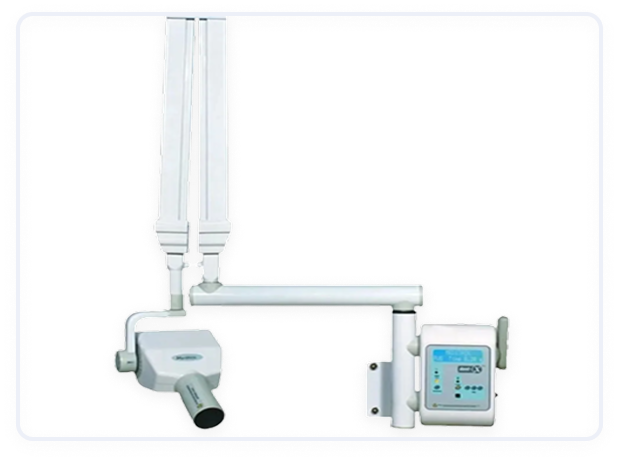
Dental X-ray Machine
A Dental X-ray Machine is an essential piece of equipment used in dentistry to capture images of the teeth, gums, jaw, and surrounding structures. It is a non-invasive diagnostic tool that helps dentists identify issues that are not visible during a routine physical examination, such as cavities, bone loss, infections, impacted teeth, and abscesses.
Key Features of a Dental X-ray Machine
Digital Imaging:
Digital dental X-ray machines offer superior image quality compared to traditional film-based X-rays. The images are captured on digital sensors or plates, and the data is immediately transferred to a computer for viewing.
Digital systems offer faster image processing, improved image clarity, and the ability to enhance or adjust the image for better diagnostic accuracy.
Variety of X-ray Types:
Dental X-ray machines can be used to perform different types of X-rays, such as:
Intraoral X-rays: These are taken with the X-ray sensor placed inside the patient’s mouth. They provide detailed views of individual teeth and are often used to detect cavities, bone loss, and other issues.
Extraoral X-rays: These X-rays are taken with the sensor placed outside the mouth, usually around the head and jaw, and are useful for examining the entire oral cavity, including wisdom teeth, jawbones, and the sinuses.
Low Radiation Exposure:
Modern digital dental X-ray machines use significantly lower radiation compared to older film-based machines. This reduces the risk to both the patient and dental staff.
Many machines come with protective shielding or lead aprons for the patient to further minimize radiation exposure.
High-Speed Exposure:
Dental X-ray machines, especially digital models, use shorter exposure times, typically ranging from a fraction of a second to a few seconds, which minimizes discomfort and reduces the time the patient needs to be exposed to radiation.
Automatic Calibration and Adjustment:
Advanced systems automatically adjust for factors like image contrast, brightness, and exposure settings, ensuring clear and accurate images with minimal human intervention.
The system can also automatically detect the area of interest and adjust exposure levels to improve image quality.
Enhanced Image Editing and Analysis:
Digital X-rays are connected to computers where images can be easily edited, zoomed, or enhanced for better clarity. Dentists can adjust brightness, contrast, and magnification to highlight specific areas of concern.
Many systems come with built-in software for automated diagnostics, such as detecting potential cavities, cracks, or bone density changes.
Storage and Sharing Capabilities:
Digital X-ray images can be easily stored and archived in electronic patient records, reducing the need for physical storage of X-ray films and enabling quicker access for future consultations or second opinions.
Compact and Space-Efficient Design:
Many dental X-ray machines are designed to be compact and space-saving, making them ideal for dental offices with limited space. They are often mounted on walls or ceilings to optimize room space and provide easy access during procedures.
Applications of a Pure Tone Audiometer
Request More Information
Contact Us to learn more about our offerings or Request a Quote to get started today!
Contact Us

