
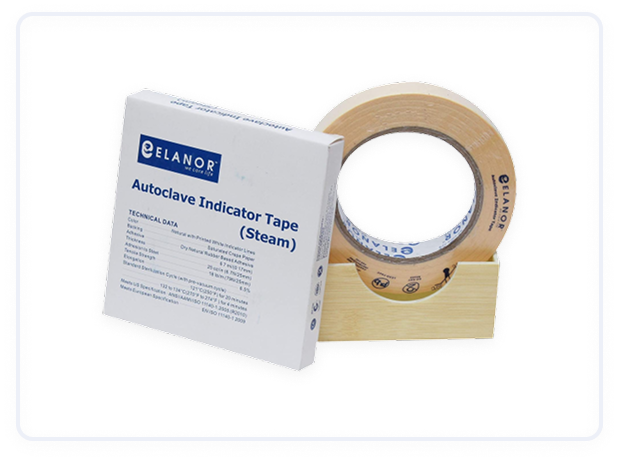
Autoclave Tap
An Autoclave Tap is a specialized valve or device used to manage the flow of steam or water into and out of an autoclave, particularly during the sterilization process. It plays a crucial role in controlling the pressure, temperature, and steam flow inside the autoclave chamber, ensuring that the sterilization process occurs efficiently and safely.
Key Features of an Autoclave Tap
Material:
Stainless Steel: Typically made from high-quality stainless steel due to its resistance to corrosion and ability to withstand the high temperatures and pressures inside the autoclave.
Heat-Resistant Components: Designed to operate in environments with elevated temperatures, ensuring longevity and reliability.
Functionality:
Pressure Control: The autoclave tap helps regulate the steam pressure entering or exiting the chamber, maintaining the required pressure for effective sterilization.
Steam and Water Flow: Controls the flow of steam and water into the autoclave to ensure that the sterilizing cycle is maintained correctly.
Venting: It often has a venting mechanism that releases excess steam to regulate the pressure within the chamber.
Automatic Operation: Some modern autoclave taps are automated and integrated into the autoclave control systems, allowing for precise control of pressure and temperature.
Safety:
Pressure Relief: In case of excessive pressure buildup, the autoclave tap typically has a pressure relief function to prevent accidents and ensure safe operation of the autoclave.
Thermal Resistance: The tap is designed to handle the extreme temperatures inside an autoclave, preventing failure or leaks.
Design:
Manual or Automatic: Autoclave taps can be manually operated (where the operator turns the valve to release steam or water) or automated as part of a larger control system for precise, automatic pressure management.
Sealing: Proper sealing mechanisms are in place to prevent any leaks, ensuring that sterilization is performed under the right pressure and without compromising the safety of the process.
Various industries
Request More Information
Contact Us to learn more about our offerings or Request a Quote to get started today!
Contact Us

